Supply Chain
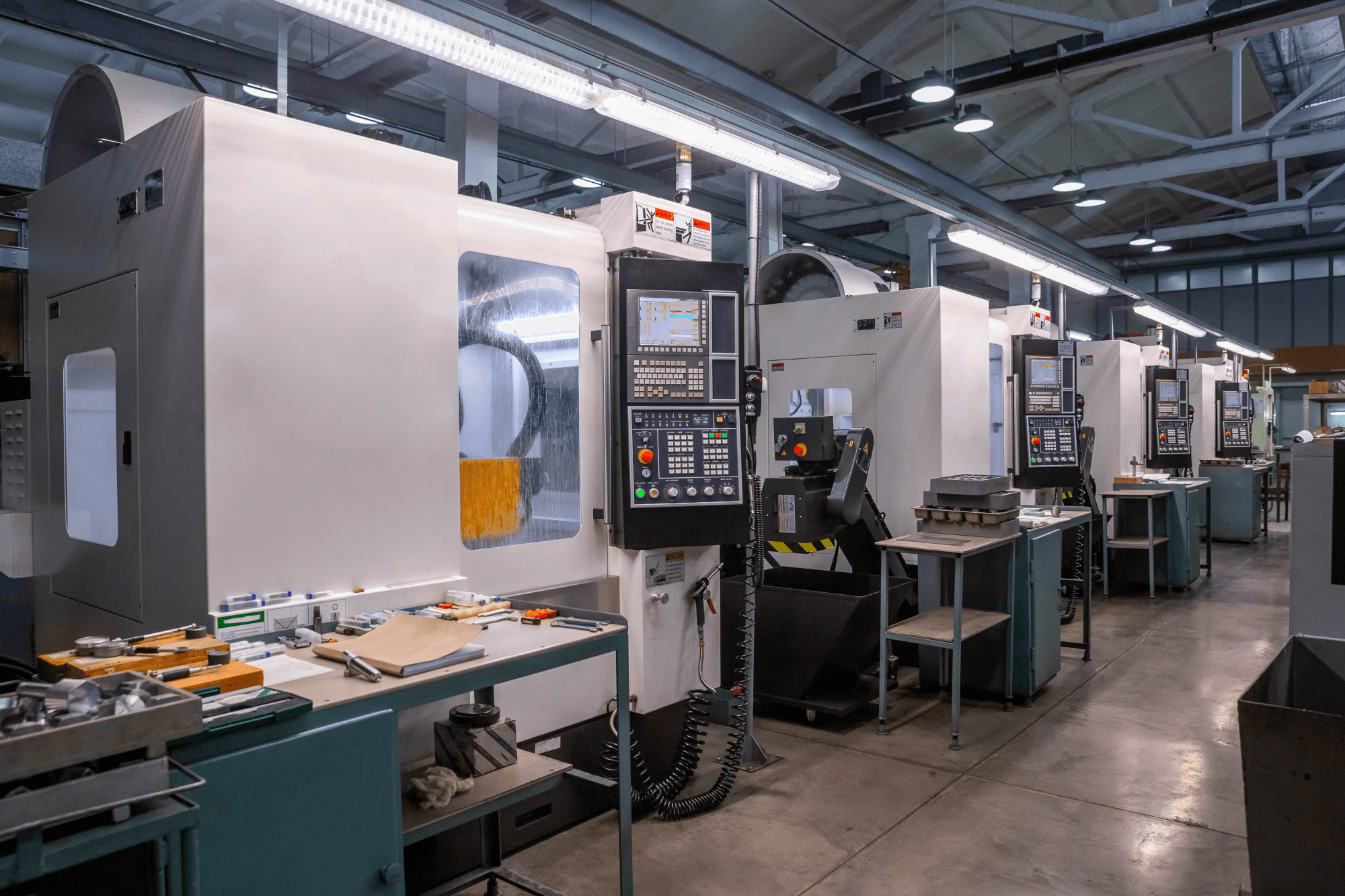
The stakes of industrial production scheduling
The challenges and obstacles to overcome
Future prospects and innovations
In summary
The nerve center for many years now, flow-management methods are more than strategic subjects for industrial companies. The reason: the stakes are multiple and also crucial, not only from an economic point of view but also from a social and environmental point of view.
Industrial production scheduling has been the nerve center for many years now; flow-management methods are more than strategic subjects for industrial companies. The reason: the stakes are multiple and also crucial, not only from an economic point of view but also from a social and environmental point of view.
Optimizing industrial production is a daily challenge for reasons of cost, image, growth, and also for reasons of environmental impact, which can no longer be put off until later.
Here are the major stakes of finely tuned industrial production scheduling:
Improving customer satisfaction: Shorter production lead times make it possible to deliver products to customers more quickly, which improves their satisfaction and strengthens their trust and, above all, their loyalty to the company.
Reducing costs: Prolonged waiting times can lead to additional costs for the company, such as storage costs, labor costs, and equipment costs. By reducing these waiting times, companies minimize their costs and, de facto, improve their profitability.
Increasing production capacity : By optimizing production and reducing waiting times, the company increases its production capacity, which makes it possible to meet growing demand and seize new market opportunities.
Improving quality : Optimized production makes it possible to better control and track production processes, which can help reduce errors and defects and improve the quality of finished products.
Flexibility and responsiveness : Optimized production allows companies to adapt more quickly to demand fluctuations and market changes, which strengthens their competitiveness and their ability to meet customer needs.
Reducing risks : By minimizing waiting times and lead times, companies can reduce the risks associated with production delays, such as penalties for missing delivery deadlines or revenue losses due to stockouts.
Stock and supply-chain management : Good stock management maximizes profitability and constitutes a factor of flexibility for the company. It avoids the problems linked to under-stocking or a surplus of stock, which can lead to a shortfall or superfluous costs. Finally, good stock management contributes to reducing the waste of goods, particularly in industries where perishable products are numerous.
Environmental impact and sustainable development: Optimized production can help reduce industrial pollution, which is decreasing thanks to a combination of regulations, changes in the manufacturing sector, and environmental initiatives. However, industry continues to pollute, and the objective of zero pollution in this sector remains a challenge. It can also contribute to the implementation of the Paris Agreement for the preservation of the environment. The health and economic crisis caused by the COVID-19 epidemic exacerbated the acuteness of these questions, testing economies around the world.
The challenges are numerous; however, while some of them remain unmanageable, others can be managed thanks, in particular, to better communication.
Interdependencies and interconnections : In complex industrial systems, there are permanent interdependencies and interconnections between all the parts and their whole, the supply chain. This makes it difficult to predict the consequences of a decision or a change on the entire system, like the bullwhip effect, for example.
Technological uncertainty : Innovations and technological advances can rapidly change production processes and markets, thereby creating uncertainty for industrial companies. This uncertainty will affect all industries.
Demand variability : Fluctuations in customer demand and market changes can make production planning and stock management difficult.
Employee training and skills, a major challenge in this sector, notably because of the rapid evolution of technologies, the shortage of skills especially in specialized positions, high staff turnover, the nature of the training, which must be practical and on the ground, and also because of its cost.
Resistance to change and the adoption of new methods constitute, in parallel, a real challenge for industry. Many employees are worried in the face of the unknown, develop a feeling of loss of control, and fear for the security of their job and their professional identity.
These obstacles persist especially when employees lack communication and support. To overcome these challenges, companies must put in place change-management strategies, which include clear and transparent communication, support for training and skills development, as well as the involvement of employees in the change process.
Industry 4.0 and the connected factory
Industry 4.0 and the connected factory are widely considered the future of industry. They offer significant advantages in terms of efficiency, productivity, and customization of manufacturing processes. Companies that adopt Industry 4.0 technologies, such as artificial intelligence, the Internet of Things (IoT), and data analysis, can achieve significant gains in terms of performance and competitiveness. By 2028, the size of the Industry 4.0 market is expected to triple its current value and exceed $330 billion. However, it is important to note that adopting these technologies requires significant investments, as well as organizational and cultural changes to take full advantage of them.
Artificial intelligence and optimization algorithms
Artificial intelligence (AI) and optimization algorithms play an increasingly important role in industry and will quickly become an integral part of many production sites. Companies are leveraging AI and optimization algorithms to improve productivity, reduce costs, and create new growth opportunities. AI and optimization algorithms have an impact on various aspects of industry, such as predictive maintenance, logistics, product design, and supply-chain management. AI is also used to improve predictive analysis, which allows companies to make more informed decisions and optimize their operations.
Robotics and advanced automation
Long considered the distant future of industry, they are today an invaluable advantage in terms of efficiency, productivity, and innovation. Companies that adopt these technologies achieve significant gains in terms of performance and competitiveness. Advanced robots present improvements in perception, integrability, adaptability, and mobility, allowing faster setup, commissioning, and reconfiguration, as well as more efficient and adaptable use.
Production customization and the rise of on-demand manufacturing
They are growing trends and certainly the future of industry. These approaches allow companies to meet the specific needs of customers and to reduce the costs associated with mass production and product storage.
Product customization is increasingly facilitated by the adoption of advanced technologies, such as 3D printing, which allow more flexible production adaptable to the individual needs of customers. In addition, on-demand manufacturing makes it possible to reduce warehousing costs and to minimize waste by producing only the necessary products according to real demand.
To quickly summarize, the industrial production scheduling of tomorrow rests on innovation.
Indeed, technological innovations allow companies to stand out in a competitive market and to meet the changing needs of customers and environmental requirements. Green industrial innovation is no longer an option for achieving a carbon-neutral transition and meeting sustainable-development objectives.
Finally, companies that invest in innovation and adaptation are better positioned to face the many disruptions in the sector, such as changes in supply chains, product customization, or the evolution of environmental standards.
Innovation and adaptation are therefore necessary to take advantage of new technologies and emerging trends, such as Industry 4.0, robotics, and advanced automation.